NASKA History
Founded in 1989
The North American Sport Karate Association grew from a shared effort to bring structure, recognition, and opportunity to tournament martial arts. Since its founding in 1989, NASKA has connected athletes, tournament promoters, coaches, and officials through a competitive circuit that brings together different martial arts styles and generations.
Its roots reach back to 1977, when Renardo Barden, executive editor of Karate Illustrated, introduced competitor ratings across 12 regions of the United States. Those ratings gave athletes greater visibility beyond their local tournaments and helped establish a broader picture of the sport’s leading competitors. Initially focused on men’s fighting, the system expanded to recognize women and young athletes in forms, weapons, and sparring. The magazine also began evaluating tournaments, considering the quality of competition, organization, hospitality, facilities, and fairness.
When Karate Illustrated discontinued its ratings service in 1989, promoters of several leading tournaments came together to continue the work. The top nationals tournaments of the era established NASKA, preserving the connection between tournament competition and national recognition.
These events brought their own histories and traditions to the association. NASKA connected these established competition stages within a shared ratings system, giving athletes a way to pursue achievement across a season.
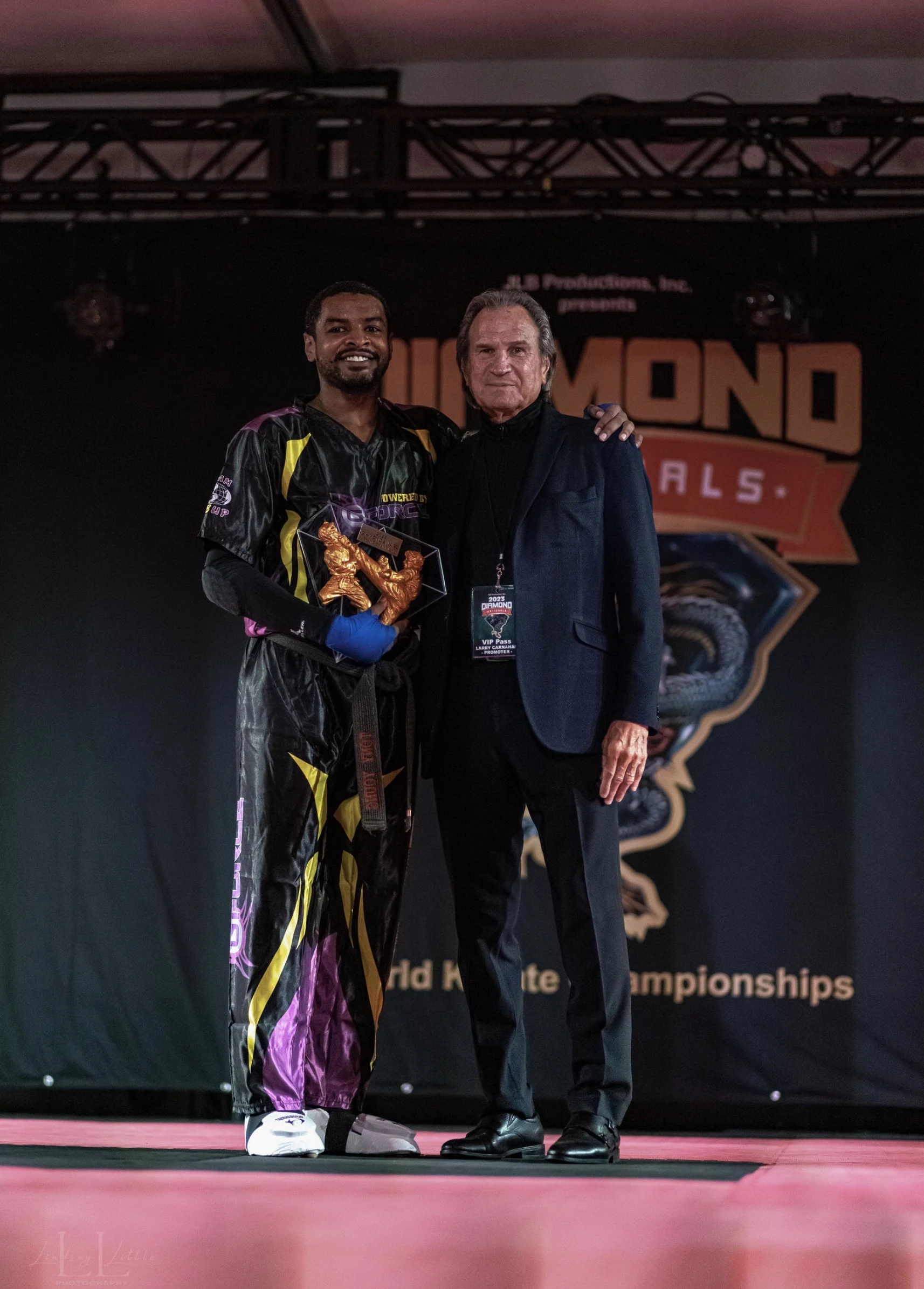
Larry Carnahan became a central figure in that development, leading NASKA for nearly four decades. His service to the association, alongside his work developing the Diamond Nationals, helped shape a lasting foundation for tournament sport karate. His legacy connects the organization’s early years with the athletes, events, and leaders carrying it forward today. National Karate’s tournament history
As the sport evolved, NASKA’s competition structure made room for both established traditions and new forms of athletic expression. Traditional, Creative, Musical, and Extreme divisions gave forms and weapons competitors distinct opportunities to demonstrate their skills. The development of separate categories helped recognize different approaches to performance while maintaining judging standards appropriate to each discipline. That balance between tradition and innovation remains an important part of NASKA’s identity. NASKA’s forms and weapons criteria
Today, NASKA’s community extends across World and National competition, supported by athletes, families, instructors, officials, and tournament organizers. Relationships with regional organizations—including the Professional Martial Arts Conference, North Central Karate Association, and Wisconsin Sport Karate League—strengthen the connections between local martial arts communities and the broader circuit. NASKA’s current programs and partners
NASKA now enters its next chapter under President Hunter B. Lyon, with Larry Carnahan serving as Chairman of the Board. Together with the new Board of Directors, they carry forward the legacy built by the association’s founders and generations of competitors. This next chapter brings experience and fresh perspectives to an enduring purpose: creating opportunities for martial artists to compete, earn recognition, and help shape the future of sport karate. NASKA’s current leadership
